Define the handling pattern
- Frequent put-away and retrieval in narrow aisles: consider turning radius, mast height, and battery runtime for electric units
- Mixed indoor–outdoor shuttling: evaluate ground transitions, dock plates, and door thresholds
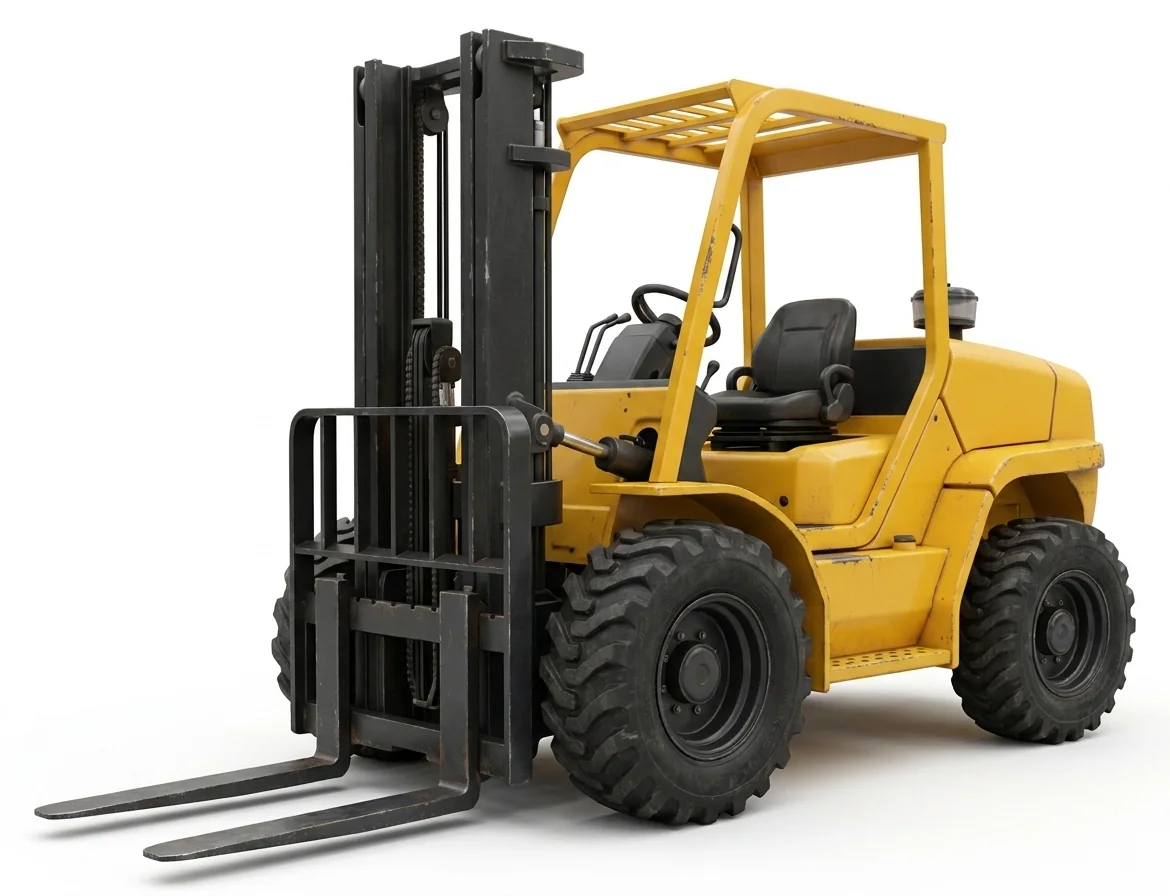
- Yard work and container loading: prioritize tire type, ground clearance, and visibility
Local site conditions
- Coastal exposure: Salinity can affect electrics, connectors, and mast components. For longer projects, coordinate around a coastal-focused maintenance approach.
- Clay soils and surfaces: Outdoor yards may rut after rain; larger pneumatic tires and stable wheelbases can matter.
- Wind-prone lots: Stacking height and load stability planning should reflect actual site procedures and the selected unit’s instructions.
Clearance and floor loading
Confirm the tallest doorway, lowest sprinkler or mezzanine, and the heaviest pallet. Floor rating in older buildings may limit combined machine and load weights. For frequent dock use, check approach angles and bumper heights.
Power source overview
- Electric: Zero onsite emissions indoors, quiet operation, and tight turning. Requires charging access and attention to battery runtime.
- Internal combustion: Suited to exterior runs and mixed-surface travel. Fuel type and noise considerations apply.
Coordinating with other equipment
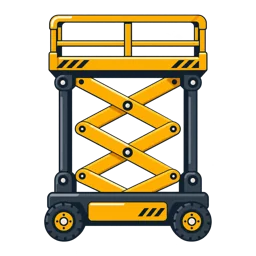
If materials must reach elevated work zones, a /telehandler-rental/ may stage loads where /electric-scissor-lift-rental/ or /rough-terrain-scissor-lift-rental/ platforms can handle installation.
Planning note
Material handling near edges, ramps, or stacked loads must follow the machine’s instructions and site safety procedures. Conditions can change quickly with coastal weather.